
Does your dog bark, chew, or have accidents when you leave? It could be separation anxiety. Here are the signs, what causes it, and how a midday walk can help.
You grab your keys and your dog starts pacing. You come home to a chewed door frame, a puddle by the entrance, or a note from the neighbor about the barking. It's frustrating — but your dog isn't being spiteful. They may be struggling with being alone.
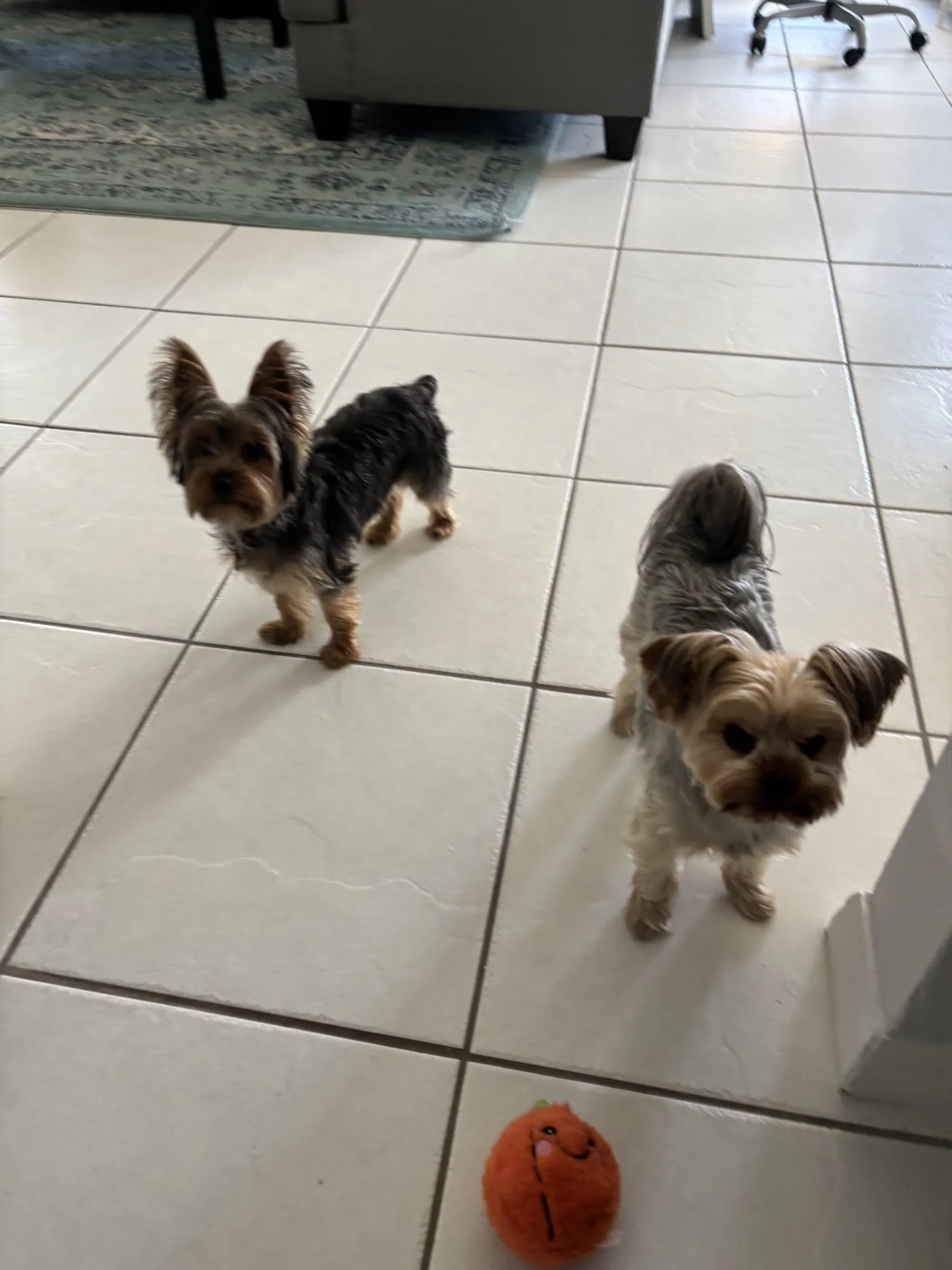
Here's how to tell, and what actually helps.
What Is Separation Anxiety in Dogs?
Separation anxiety is stress a dog feels when they're left alone or separated from the people they're attached to. It's not bad behavior or a training failure. It's closer to a panic response. The ASPCA has a detailed guide to separation anxiety in dogs if you want to go deeper.
It's also common. Many dogs went through a rough adjustment when owners went back to the office after years of working from home, and newly adopted dogs often show it in their first few months.
Signs Your Dog May Have Separation Anxiety
The key is when the behavior happens. If it mostly happens when you're gone — or just before you leave — anxiety is a likely cause.
Barking, howling, or whining after you leave
Chewing or scratching at doors, windows, or crates
Bathroom accidents in a house-trained dog
Pacing, panting, or drooling when you get ready to go
Trying to escape the house or yard
Following you from room to room
Over-the-top greetings when you come home
Is It Anxiety or Just Boredom?
The two look alike, and they often overlap. A bored dog chews because they have energy to burn. An anxious dog chews because they're stressed.
A simple test: leave a pet camera running. A bored dog will usually settle down and nap after a while. An anxious dog tends to stay restless — pacing, whining, or fixed on the door — for much of the time you're gone.
Either way, the fix starts in the same place: more exercise, more structure, and shorter stretches alone.
What Causes Separation Anxiety?
Changes in routine — a new job, new hours, or the end of working from home
A new home — moving, or a recent adoption from a shelter
Loss — the death or departure of a family member or another pet
Long stretches alone — eight or more hours with no break
Not enough exercise — pent-up energy makes stress worse
How a Midday Walk Helps
A midday walk won't cure separation anxiety by itself, but it's one of the most effective tools you have. Here's why:
It cuts the day in half
Instead of nine hours alone, your dog has two shorter stretches. Shorter time alone is easier to handle, and it gives your dog something predictable to look forward to.
It burns off nervous energy
A tired dog is a calmer dog. Regular exercise releases the same feel-good chemicals in dogs that it does in people, and a dog who's walked and sniffed for 30 minutes is far more likely to nap than pace.
It adds a bathroom break
Some "anxiety accidents" are really just a dog who couldn't hold it any longer. A midday break takes that pressure off.
It builds a routine
Dogs feel safer when they know what's coming. A walker who shows up at the same time every day becomes part of that routine. Here's how to choose a dog walker you can count on.
It teaches that people come back
Over time, regular visits help your dog learn that being alone is temporary — someone always comes.
Other Things You Can Do at Home
Keep departures and arrivals low-key. Skip the big goodbye and wait a minute or two before greeting your dog when you get home.
Practice short absences. Step out for five minutes, then ten, then twenty. Build up slowly.
Use food puzzles. A stuffed, frozen treat toy given as you leave keeps your dog busy and links your exit with something good.
Create a calm space. A cozy bed, a worn T-shirt that smells like you, and some background noise can help.
Exercise before you leave. Even a 15-minute morning walk makes a difference.
Mix up the scenery. New places tire dogs out mentally as well as physically. Try one of these dog-friendly spots in Palm Beach County on the weekend.
When to Call Your Vet or a Trainer
If your dog is hurting themselves trying to escape, isn't eating while you're gone, or isn't improving after a few weeks of more exercise and routine, talk to your vet. Medical issues can look like anxiety, and severe cases often do best with help from your vet or a board-certified veterinary behaviorist.
Midday Dog Walks in Wellington and Palm Beach County
If your dog struggles while you're at work, a midday walk is an easy place to start. Palm Beach Pet Pals offers midday dog walks around Wellington and Palm Beach County, built around your schedule and your dog's needs.
Book a midday walk or call us at (561) 676-0292.